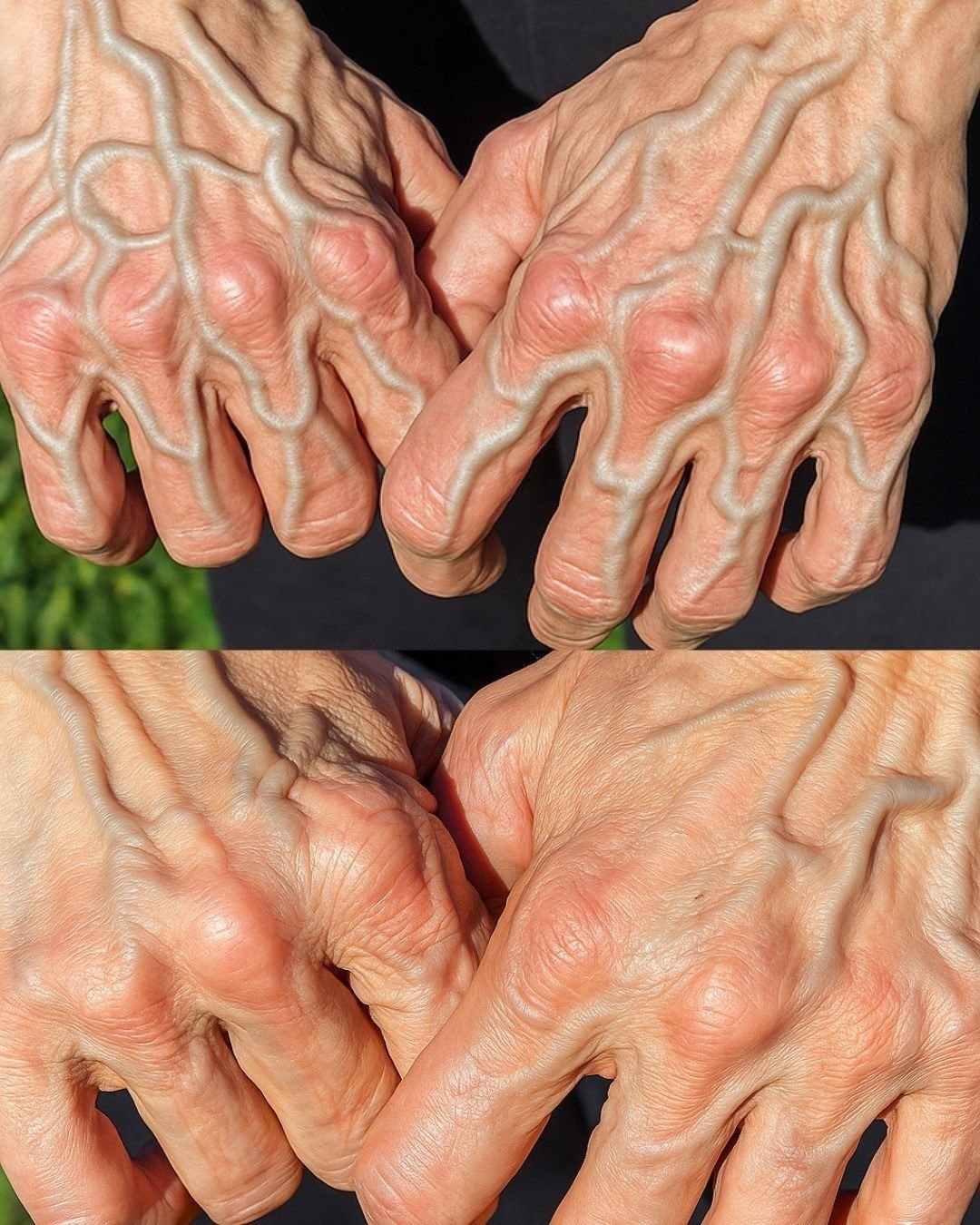
Why Do My Veins Suddenly Look So Visible? The Real Reasons Behind Those Blue Lines
It happens to almost everyone: a completely normal day, a quick glance at your arms or hands, and suddenly those thin blue lines you barely noticed before look darker, sharper, and startlingly new.
Are they dangerous? A symptom? Or just a strange optical illusion?
The truth is a mix of biology, environment, and your unique body, and it’s often far less alarming than it feels.
What Makes Veins Look Blue in the First Place?
Veins aren’t actually blue—they’re dark red.
They only appear blue because of how light interacts with your skin:
-
Blue light scatters more easily
-
Skin absorbs more red wavelengths
-
Light bouncing back makes veins look bluish
This means different lighting conditions can instantly make veins seem more or less visible.
Common, Harmless Reasons Veins Look Suddenly More Visible
1. Thinner Skin or Lower Body Fat
The layer of fat beneath the skin naturally thins due to:
-
Aging
-
Weight loss
-
Genetics
With less padding, veins appear:
-
Closer to the surface
-
Darker
-
More pronounced
This is most noticeable on hands, arms, feet, and lower legs.
2. Heat or Temperature Changes
When the body warms up, veins expand to cool you down.
This happens after:
-
Hot showers
-
Exercise
-
Warm weather
-
Sauna or hot tub use
Expanded veins = more noticeable veins.
3. Exercise, Strength Training, or Heavy Lifting
Physical activity increases blood flow and pressure in the veins.
You’ll see temporary “popping veins” especially in:
-
Forearms
-
Hands
-
Biceps
-
Legs
This is normal and fades as your heart rate returns to baseline.
4. Dehydration
When dehydrated, your blood volume decreases slightly.
This can make veins look:
-
Harder
-
Sharper
-
Darker
Drinking enough water often reduces this effect.
5. Skin Tone & Genetics
Fair, thin, or translucent skin makes veins more visible.
If your parents had visible veins, you likely will too.
For many people, it’s simply normal anatomy—not a new development.
6. Lighting & Angle
Bright or directional lighting (like bathroom lights or sunlight) can create shadows and highlight contrast.
This sometimes makes veins appear suddenly “new,” even if they’ve always been there.
When Visible Veins Might Mean Something More
Most visible veins are harmless, but some symptoms should be checked by a medical professional:
1. Sudden, painful, swollen, or warm veins
Possible inflammation or a clot.
2. Bulging veins on the legs
Could be early signs of varicose veins.
3. Visible veins + shortness of breath or chest pain
This requires emergency attention.
4. Veins becoming visible after an injury
May indicate vessel irritation or trauma.
If you’re unsure, a healthcare provider can give personalized guidance.
(This article is informational and not medical advice.)
Why It Feels Sudden—Even When It Isn’t
In many cases, the veins didn’t appear suddenly—you just happened to notice them.
Common triggers for this “sudden” realization include:
-
New exercise routines
-
Stress or health anxiety
-
Different lighting
-
Skin becoming slightly thinner over time
-
Paying closer attention to your body
Your brain filters out familiar details, so when you notice them once, you begin noticing them more.
How to Make Veins Less Visible
If the appearance bothers you, these strategies help:
1. Stay well-hydrated
Improves skin fullness and blood volume.
2. Moisturize daily
Reduces contrast and visibility.
3. Maintain healthy body fat levels
Helps cushion veins under the skin.
4. Manage heat exposure
Shorter hot showers lessen vein dilation.
5. Compression socks for legs
Support circulation and vein health.
6. Regular exercise
Strengthens vessel walls and improves blood flow.
Final Thoughts
Most of the time, suddenly visible veins are completely normal and simply a reflection of:
-
Skin thickness
-
Hydration
-
Lighting
-
Temperature
-
Genetics
-
Physical activity
Your body constantly adapts to its environment, and your veins are a visible part of that story.
If you ever notice pain, swelling, or rapid changes, getting medical advice is always a good choice—but for most people, visible veins are just a natural part of being human.