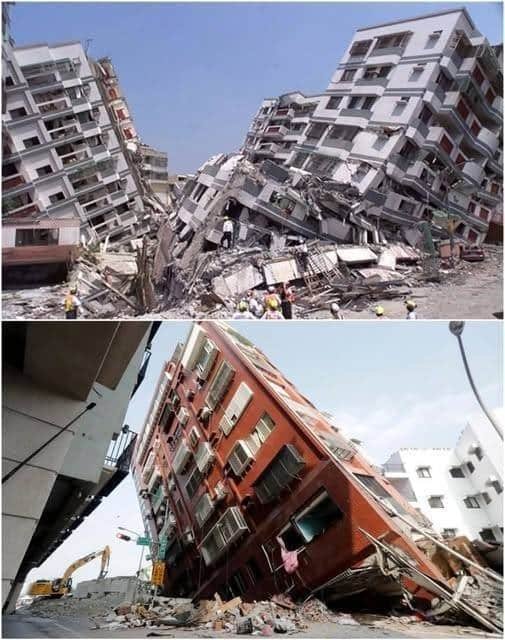
Massive 7,5 Earthquake Triggers Tsunami, Sparks Widespread Panic Along Coastline
When the Ocean Held Its Breath
It began as a whisper — subtle shifts that only the attentive noticed.
The tide drew back too fast.
Seabirds disappeared.
Dogs began to bark, then fell eerily silent.
A heavy stillness settled over Hawaii, the kind locals know never to ignore.
At 8:49 p.m., seismic sensors detected a 7.5-magnitude earthquake off Russia’s Kamchatka Peninsula. Within minutes, phones across the islands lit up with the message everyone dreads:
Tsunami Watch Issued for the Hawaiian Islands.
Panic rippled faster than any wave.
Echoes of Old Wounds
Families began calling one another, gathering flashlights and water, remembering where the high ground was.
Older residents whispered of 1952, when another Kamchatka quake sent deadly waves crashing into Hilo.
This quake wasn’t as strong, but memory doesn’t measure in magnitudes.
Fear remembers what reason forgets.
Even before officials finished their announcements, some people were already on the move — fueled by intuition, by ancestry, by the island’s long memory of the sea.
Science vs. Instinct
Inside the Pacific Tsunami Warning Center, computers ran nonstop.
Wave models, satellite imagery, seafloor sensors — all pointing toward the same conclusion: the quake’s motion was horizontal, not vertical. No massive water displacement. No rising wall of water.
Hawaii’s ocean gauges confirmed it.
Sea levels were steady.
By 10:00 p.m., the all-clear was issued. The tsunami watch was lifted.
But the relief was uneasy.
Social media buzzed with doubts: strange tides, nervous pets, that same uneasy calm.
Technology said “safe.”
Instinct whispered, “Wait.”
The Long Shadow of Memory
Some residents stayed awake through the night, bags half-packed. Others parked their cars facing inland, just in case.
Trauma, passed through generations, doesn’t fade with official statements.
Meanwhile, in Kamchatka, aftershocks rattled windows and nerves. Coastal villages remained on alert, though no waves came. Nature had spared them — this time — but the unpredictability of the ocean left everyone cautious.
The Morning After
When dawn came, the islands exhaled. The beaches were untouched. The water was still.
No damage, no casualties — only the echo of tension that never quite left.
Officials reassured the public: data, not guesswork, had guided their decisions. Yet the event reignited an old question — one that sits between faith in science and the pull of human instinct.
How do we balance what we know with what we feel?
The Lesson Beneath the Calm
That night left no wreckage, no images of destruction.
But it left something else — a reminder that preparedness isn’t paranoia, and silence isn’t safety.
Nature doesn’t always shout before it strikes.
Sometimes, the most powerful warnings arrive quietly —
in the uneasy stillness before the sea breathes again.