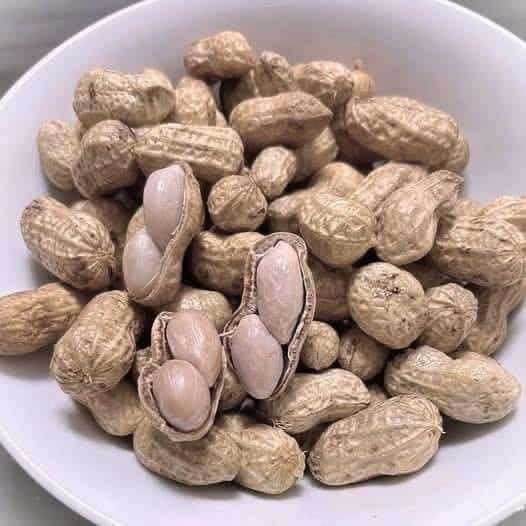
Peanuts are widely enjoyed around the world thanks to their rich taste, affordability, and flexibility in both sweet and savory dishes. In countries such as Brazil, they play a central role in traditional favorites like paçoca, pé-de-moleque, and a variety of festival sweets. Their popularity goes beyond flavor alone, as peanuts are also valued for their nutritional contribution to everyday diets. Still, individual tolerance varies, and some people need to approach them with care due to allergies or digestive sensitivities.
Although peanuts are classified botanically as legumes, their nutritional composition closely resembles that of tree nuts. They are a solid source of plant-based protein and healthy fats, alongside essential vitamins and minerals such as vitamin E, several B vitamins, calcium, phosphorus, and iron. These nutrients support energy production, metabolic processes, and general cellular function. Peanuts also contain antioxidants and lecithin, compounds that have been examined for their potential roles in supporting heart health and promoting a feeling of fullness. For many people, this satiety factor makes peanuts a practical snack option when consumed in moderate amounts.
For most individuals, including reasonable portions of peanuts in meals or snacks can support balanced eating habits. The mix of protein, fat, and fiber may help stabilize blood sugar levels and curb excessive hunger between meals. Some research has explored possible associations between peanut consumption and lower risks of certain conditions, such as gallstones or mild digestive issues, though these findings are not universal and can differ significantly from one person to another.
That said, moderation and awareness are important. Eating large quantities may lead to digestive discomfort, particularly for those with sensitive stomachs. Anyone with a peanut allergy must avoid them entirely, as reactions can be severe. People who have conditions such as gout, digestive disorders, or who take specific medications should seek guidance from a healthcare professional before making peanuts a regular part of their diet. It is also essential to avoid peanuts that look moldy or spoiled, as they may contain harmful toxins. When enjoyed responsibly and with individual needs in mind, peanuts can remain a flavorful, nutrient-rich food that fits comfortably into many healthy eating patterns.