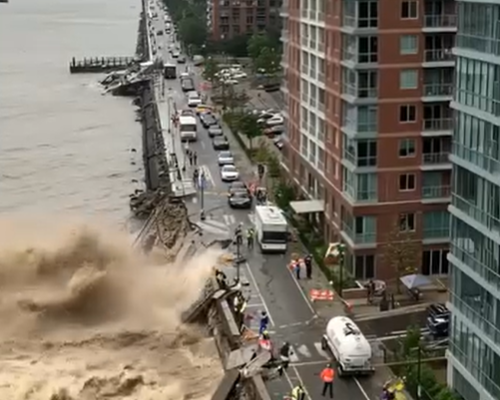
Severe flooding has caused multiple riverbank buildings to collapse, raising urgent concerns about erosion, infrastructure safety, and disaster preparedness. Learn how this happened, why it’s becoming more common, and what communities can do to stay safe.
Rivers Rising Faster Than Expected — A Hidden Danger Unfolds
When powerful storms hit and rivers rise beyond predicted levels, the damage can be sudden and overwhelming. Recent flooding across multiple regions has shown just how quickly riverbanks can give way, forcing entire buildings to fall into rushing waters and threatening the safety of thousands of residents.
Shocking videos shared online show homes and businesses sliding into swollen rivers—an alarming reminder of how unpredictable nature can be.
Entire Riverbank Structures Collapse After Days of Heavy Rain
Over the past several days, persistent rainfall has triggered severe flooding, ultimately leading to the total collapse of numerous structures built close to riverbanks. Families have lost homes, communities have lost businesses, and emergency crews have struggled to keep up with the rapid changes in water levels.
Experts point to several contributing factors:
-
Soil erosion caused by prolonged flooding
-
Rapid surges in water pressure, weakening foundations
-
Insufficient flood barriers and outdated infrastructure
-
Poorly regulated construction in high-risk zones
These issues combined to create a perfect storm, leaving buildings unable to withstand the force of the rising water.
Why Riverbank Failures Are Becoming More Common
Environmental specialists warn that riverbank collapses aren’t isolated incidents—they’re part of a growing pattern linked to changing weather conditions, land mismanagement, and outdated safety standards.
Communities face increased risk when:
-
Drainage systems are inadequate
-
Construction encroaches too close to water edges
-
Vegetation is removed, accelerating erosion
-
Flood-control mechanisms are not maintained
Unless stronger protections are put in place, experts worry that these disasters may become more frequent and more destructive.
Government and Community Response: What Must Happen Now
Local and national authorities are under pressure to act quickly. Recommended actions include:
-
Reinforcing vulnerable riverbanks
-
Updating and enforcing building codes
-
Expanding early-warning and evacuation systems
-
Improving flood-control infrastructure
-
Educating residents about flood risks
These steps can significantly reduce the severity of future disasters and protect communities living in flood-prone regions.
The Reality of Riverside Living: Beauty With Hidden Risks
Rivers offer scenic views, natural resources, and a unique lifestyle, but they also come with significant hazards that many homeowners don’t fully understand.
The recent collapses serve as a wake-up call: living near water requires greater awareness, stronger construction, and long-term planning. Without these measures, residents may face increasing danger during seasonal storms and heavy rainfall.
Frequently Asked Questions (FAQ)
1. Why do riverbanks collapse during floods?
Rivers erode soil as water levels rise, weakening the ground under buildings. When water pressure increases quickly, the soil can give way, causing sudden structural failure.
2. Can homeowners protect their property from flooding?
Yes. Proper drainage systems, elevated foundations, retaining walls, and regular inspections can reduce risks—but in high-risk areas, relocation may be the safest option.
3. Which regions face the highest risk of riverbank erosion?
Areas with steep slopes, loose soil, heavy rainfall, or unregulated riverside construction are most vulnerable.
4. What can cities do to prevent future collapses?
Cities can invest in stronger infrastructure, enforce construction limits near waterways, plant vegetation to stabilize soil, and improve stormwater drainage.
5. Is climate change increasing river flooding?
Many experts say yes. More frequent and intense storms can lead to sudden water surges, overwhelming river systems and increasing erosion.
Conclusion
The recent riverbank collapses highlight a critical need for stronger urban planning, reinforced infrastructure, and heightened public awareness. As weather patterns become more unpredictable, communities must prioritize long-term flood prevention strategies to protect lives, homes, and livelihoods.
With better preparation and responsible development, riverside living can be safer—and disasters like this can be minimized in the future.