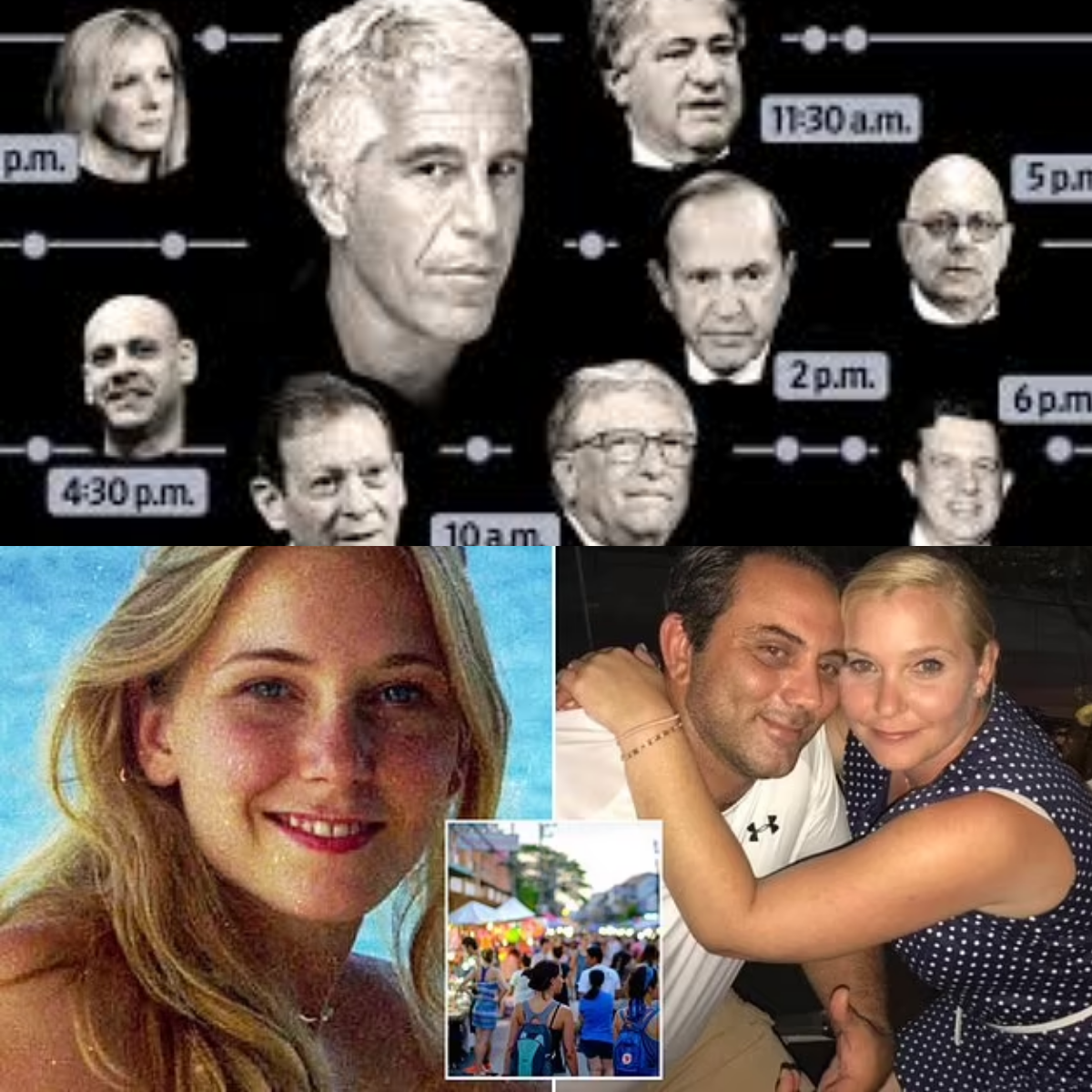
When Virginia Roberts Giuffre died earlier this year at age 41, many believed one of the most important voices in the Jeffrey Epstein saga had been silenced forever. For nearly two decades, Giuffre had been a driving force in the unraveling of one of the most powerful and secretive sex-trafficking networks in modern history. She was the face of courage, the voice of survivors, and the accuser whose determination helped send Epstein and Ghislaine Maxwell to prison and forced some of the world’s most elite figures to answer for the circles they kept.
Yet even in death, Giuffre’s voice has not gone quiet.
This October, her long-awaited memoir — a nearly 400-page manuscript titled Nobody’s Girl — will be published posthumously by Alfred A. Knopf. The announcement has already reignited global attention, reopening long-simmering debates about power, complicity, and accountability in the Epstein case.
For Giuffre, this book is not merely a personal story. It is the final piece of testimony from a woman who spent her adult life fighting to expose a criminal empire that thrived in darkness.
A Life Defined by Survival — and Relentless Truth-Telling
Virginia Roberts Giuffre never set out to become a public figure, let alone an international symbol of resistance against sexual exploitation. Her early life was marked by turbulence: unstable environments, broken trust, and adults who exploited her vulnerability rather than protecting her.
By her mid-teens, she was already entangled in a cycle of manipulation by older predators — a pattern she later described in court documents and depositions that have since been unsealed.
In those records, she recounted a harrowing narrative: how seemingly kind adults offered shelter, safety, or opportunity, only to lure her into deeper predation. That pattern would ultimately place her in the path of Jeffrey Epstein and Ghislaine Maxwell.
According to Giuffre’s testimony, she first encountered Maxwell while working as a locker room attendant at President Donald Trump’s Mar-a-Lago resort in Florida in 2000. Maxwell approached her under the guise of offering guidance and opportunity. The invitation led instead to years of abuse at Epstein’s Palm Beach mansion and other residences around the world.
Giuffre described Epstein as a manipulator who used money, power, and a network of influential friends to shield his crimes. She claimed that Maxwell was both recruiter and enforcer — someone who groomed young girls and facilitated Epstein’s exploitation.
For years, Giuffre fought to tell her story in a world that seemed determined not to listen.

The Memoir She “Insisted Must Be Published”
According to her publisher, Giuffre wrote the manuscript behind the scenes for years and made her wishes unmistakably clear: the book must be released, no matter what happened to her.
After her death by suicide in April in Australia, where she had rebuilt her life as a mother and homemaker, the manuscript was delivered to Knopf for final preparation.
Knopf’s description is stark and unapologetic:
“Nobody’s Girl is the riveting and powerful story of an ordinary girl who faced extraordinary adversity — and refused to be destroyed by it.”
The memoir covers the same years detailed in court filings, but expands far beyond them. It chronicles:
Her childhood trauma and early vulnerability
Her recruitment by Maxwell
Her years in Epstein’s network
The wealthy and powerful individuals she encountered
Her struggle to break free
Her decision to fight publicly
The psychological scar tissue left behind
Her new life in Australia and continued advocacy
Though much of the world learned Giuffre’s name through legal filings, leaked documents, and photo evidence, Nobody’s Girl promises an intimate, unfiltered account — the one story she controlled entirely.

A Network of Power, Politics, and Denials
Giuffre’s allegations pulled some of the world’s most recognizable figures into the Epstein orbit.
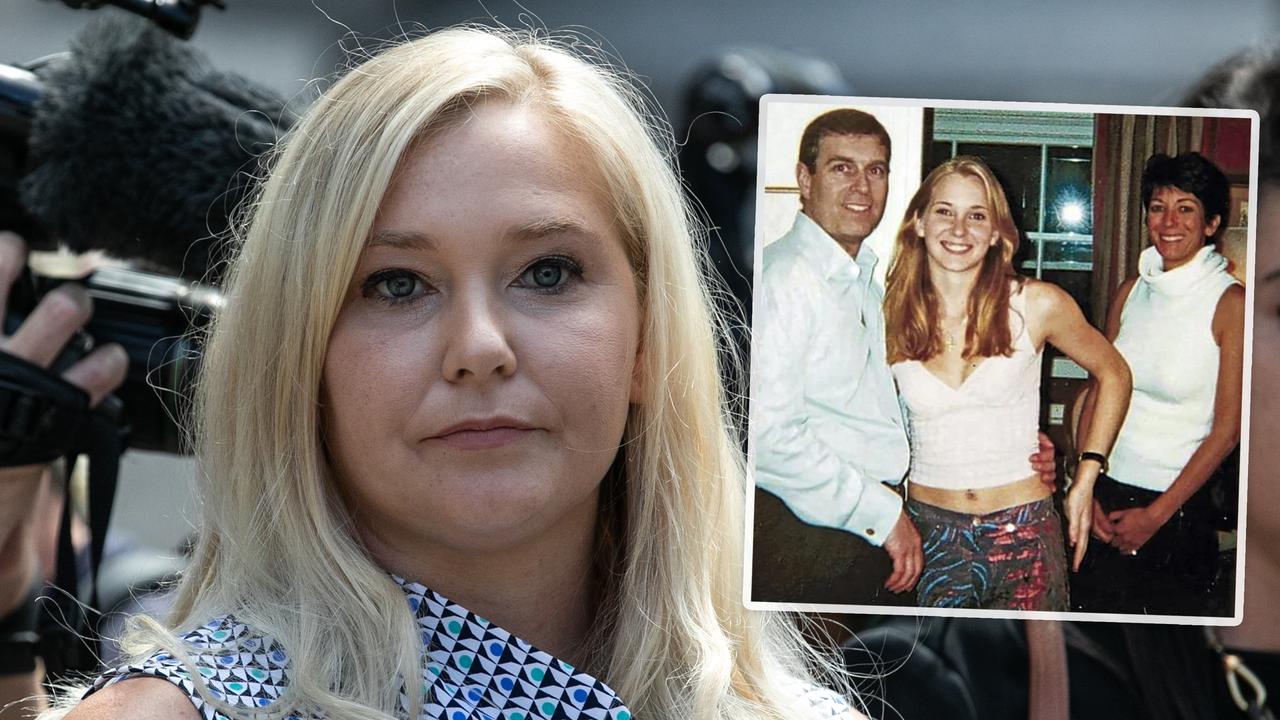
She has said under oath that she was trafficked to powerful men. Some of these allegations became central to lawsuits; others emerged in depositions. Prince Andrew’s photograph with a young Giuffre became iconic — and ultimately catastrophic for him. In 2022, he settled a lawsuit filed by Giuffre for an undisclosed sum.
Others have firmly denied wrongdoing.
Maxwell, who is currently serving a 20-year sentence at a federal women’s prison camp in Texas, has repeatedly challenged the credibility of Giuffre’s account. In a recent conversation with Deputy Attorney General Todd Blanche before her transfer from Florida, Maxwell claimed she never saw Donald Trump, Bill Clinton, or other high-profile visitors act inappropriately at Epstein’s homes.
Trump, for his part, has said he distanced himself from Epstein after discovering inappropriate behavior toward young women at Mar-a-Lago. He has encouraged supporters to dismiss speculation about hidden “client lists” or unexposed names involved in Epstein’s crimes.
But the skepticism surrounding the Epstein case is persistent — and explosive.
For many, the publication of Giuffre’s memoir represents not only a moment of reckoning, but a chance to revisit unanswered questions that continue to haunt the public.

The Long Fight for Accountability
Giuffre was more than a survivor; she was a catalyst.
After being contacted by a federal agent who informed her she was identified as a victim in Epstein’s controversial 2008 plea deal, she decided it was time to turn the tables. She reached out to the law firm handling victim compensation — a decision that would alter the trajectory of the entire case.
In 2009, she sued Epstein, alleging that he had run a “child exploitation enterprise,” transported minors across state and international lines, and recorded abuse using hidden cameras inside his Palm Beach mansion. Epstein settled the case for more than $500,000.
Years later, her voice helped ignite the renewed federal investigation that brought Epstein and Maxwell back into the spotlight — and, ultimately, into prison.
And when Epstein died in 2019 while awaiting trial, officially by suicide, public suspicion deepened. Questions about his death remain one of the most enduring elements of the scandal.
Giuffre’s advocacy ensured that the story didn’t die with him.
A Last Word That Could Shape the Future
Giuffre’s earlier, unpublished memoir — The Billionaire’s Playboy Club — was made public in court documents years before her death. It revealed a woman battling nightmares, anxiety, and trauma even as she tried to build a peaceful life in Australia.
Nothing in her history suggests she sought fame. If anything, she sought freedom — and accountability.
Nobody’s Girl now becomes her final testimony.
Its release will undoubtedly:
Reignite public debate
Challenge long-held narratives
Confront old denials
Pressure institutions to address unanswered questions
And give survivors around the world renewed visibility
Giuffre spent years fighting powerful forces who expected her to disappear. Instead, she became the central figure in exposing one of the most protected predators in modern history.
With her memoir, she leaves behind something she was never supposed to have:
The last word.