Understanding Sourdough Discard: Clearing the Confusion Once and for All
Introduction
For many home bakers, the term “discard” is one of the most misunderstood words in the sourdough world. It’s tossed around in recipes, videos, and forums, but often without enough explanation. When I first started baking sourdough years ago, I was confused too. Why would anyone spend days nurturing a starter, only to throw part of it away? Over time, I realized that sourdough isn’t about following rigid rules — it’s about understanding balance and rhythm. Once you see discard for what it really is, you stop wasting and start appreciating the process more deeply. This realization changed how I bake forever, and it has kept my loaves beautifully consistent, flavorful, and full of life.
What “Discard” Really Means
Let’s get one thing clear: discard does not mean waste. It simply refers to the portion you remove from your starter before feeding it again. This part is still full of natural yeast and good bacteria — it’s just no longer in balance to keep feeding indefinitely without refreshing. Think of your starter as a living pet that gets hungry. Each time you feed it flour and water, it grows. If you never remove a portion, it would overflow, lose strength, and become sluggish. That’s why removing some starter before feeding is essential — it gives the remaining culture room to thrive. When I say “discard,” I’m talking about the healthy, usable part you take out for baking, not something destined for the trash bin.
My Sourdough Routine
Over the years, I’ve developed a routine that’s simple, reliable, and keeps my starter happy without wasting ingredients. I always keep two jars of starter in the refrigerator. This way, I have a backup if something goes wrong with one. When it’s baking day, I take out exactly what I need — about 70 grams for one loaf or 100 grams for two. Once I’ve scooped it out, I replenish the jar with the same amount of flour and water that I removed. For example, if I took out 70 grams of starter, I feed it with 70 grams of flour and 30 grams of water. After stirring it well, I leave it at room temperature for 10–12 hours so the yeast can become active and bubbly again before returning it to the fridge.
This routine has worked perfectly for me for years. It’s easy to maintain, keeps my starter predictable, and allows me to bake whenever I want without planning days in advance. The best part is that I never feel wasteful — every bit of starter has a purpose.
Why This Method Works
This method works because it’s built on consistency and respect for the natural cycle of fermentation. By feeding only what you take out, you’re maintaining a balanced ecosystem inside your jar. Your starter doesn’t grow too large, the yeast stays active, and the acidity remains stable. Many new bakers overfeed or let their starters sit too long without care, leading to weak or unpredictable results. My method prevents all that by keeping things steady and manageable.
There’s also a psychological benefit — the process feels simple and stress-free. You’re no longer guessing how much to feed or worrying about “waste.” Instead, you develop a calm rhythm with your starter. Over time, this consistency shows in your bread. The loaves rise better, bake more evenly, and develop that irresistible sourdough flavor that makes all the patience worthwhile.
The Proof Is in the Loaves
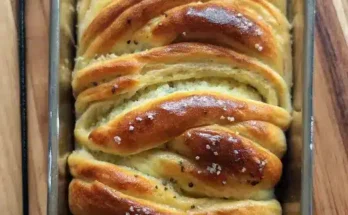
If you’ve ever wondered whether such a simple approach could produce great bread, just take a look at the loaves I’ve been baking. Each one comes out of the oven with a beautifully golden crust, deep scoring lines, and that rustic, crackling finish every baker loves. When sliced, the crumb is open yet tender — light enough for sandwiches, sturdy enough for soups, and perfect with butter or jam.
What’s even more satisfying is that I’ve achieved this consistency without complicated feeding schedules or obsessive measuring beyond what’s necessary. The photograph of my loaves speaks for itself: rich color, strong oven spring, and a texture that only comes from a healthy, well-cared-for starter. These loaves are proof that sourdough success doesn’t come from complexity, but from understanding and steady practice.
Tips for a Healthy Starter
A thriving starter is the foundation of every great loaf, and caring for it doesn’t have to be intimidating. Always use clean utensils when handling your starter — any contamination can disturb its balance. Keep it in a clear glass jar so you can watch the bubbles form and monitor its rise. If it ever smells overly sharp, gray, or unpleasant, that’s a sign it needs a good feeding or some rest time in the fridge.
When storing, make sure the lid isn’t airtight; your starter needs a little breathing room. Feed it on a regular schedule, especially if you bake often. If you’re baking once a week, feeding once weekly is enough. If you’re baking daily, keep it at room temperature and feed it more frequently. Remember: your starter should smell pleasantly tangy, rise predictably, and double in size within several hours of feeding. That’s when you know it’s healthy and ready to perform.
Common Mistakes to Avoid
Even experienced bakers make mistakes with starters, so here are a few to watch out for. First, don’t overfeed. Giving your starter too much food too often can dilute its strength. The yeast needs time to consume what’s already there before you add more. Second, avoid using unfiltered or chlorinated water — chlorine can weaken or kill the natural yeast. Third, never leave your starter in a tightly sealed container for long periods. The gases it produces need an escape route. And finally, don’t panic if your starter seems sluggish. Starters are resilient; with a couple of consistent feedings, they usually bounce right back.
By avoiding these small but common mistakes, you’ll save yourself frustration and keep your starter strong for years to come.
How to Store and Use Discard
If you’re like me, you’ll eventually end up with more starter than you need. But that’s no problem — sourdough discard can be used in countless delicious ways. Try adding it to pancakes for extra fluffiness, mixing it into waffle batter, or using it in pizza dough for a subtle tang. You can even make crackers or biscuits that taste just like artisan bakery treats.
When storing discard, keep it in a covered jar in the fridge. It can stay good for up to a week. If you plan to use it for recipes, label it with the date so you know how fresh it is. And remember, discard doesn’t mean failure — it’s an opportunity to get creative and make something wonderful with every bit of your starter.
My Favorite Sourdough Tools
You don’t need a fancy setup to make excellent sourdough. A few simple tools can make all the difference. I recommend using a sturdy glass jar with a wide mouth for your starter; it makes feeding and cleaning easier. A digital kitchen scale is essential for accuracy — sourdough is about ratios, not guesswork. A bench scraper helps with shaping dough and keeping your workspace tidy. And a Dutch oven is one of the best investments for home bakers; it traps steam, giving your loaves that golden crust and artisan texture.
If you’re new to baking, don’t be overwhelmed by expensive tools or gadgets. Focus on mastering the basics first — the equipment simply enhances your skill, not replaces it.
FAQs
Can I bake directly from the fridge?
Yes. If your starter has been recently fed and looks bubbly, you can use it straight from the fridge without waiting for it to reach room temperature.
What if I forget to feed my starter for a week or two?
It’s usually fine. Just remove a small portion and feed it with fresh flour and water. After a few hours at room temperature, it should come back to life.
Can discard go bad?
Yes, if neglected for too long. If it develops mold or smells rotten, it’s best to discard it completely and start fresh.
Do I need to keep more than one jar?
Not necessarily, but I like having a backup jar just in case. It gives peace of mind and ensures I never have to start from scratch.
Conclusion
Sourdough baking is a journey — one that rewards patience, consistency, and understanding. The term “discard” may sound wasteful, but once you truly grasp its meaning, you realize it’s an essential step in maintaining balance. Every bit of your starter has a role, whether it’s for baking bread, creating new recipes, or keeping the culture strong for the future.
The truth is, sourdough doesn’t need to be complicated. It just needs care. When you respect the rhythm of feeding and resting, when you pay attention to how your starter behaves, you’ll find that baking becomes second nature. Each loaf tells a story of time, patience, and love — and that’s what makes sourdough so special.
Description
For many home bakers, the term “discard” is one of the most misunderstood words in the sourdough world. It’s tossed around in recipes, videos, and forums, but often without enough explanation. When I first started baking sourdough years ago, I was confused too. Why would anyone spend days nurturing a starter, only to throw part of it away? Over time, I realized that sourdough isn’t about following rigid rules — it’s about understanding balance and rhythm. Once you see discard for what it really is, you stop wasting and start appreciating the process more deeply. This realization changed how I bake forever, and it has kept my loaves beautifully consistent, flavorful, and full of life.
Ingredients
Over the years, I’ve developed a routine that’s simple, reliable, and keeps my starter happy without wasting ingredients. I always keep two jars of starter in the refrigerator. This way, I have a backup if something goes wrong with one. When it’s baking day, I take out exactly what I need — about 70 grams for one loaf or 100 grams for two. Once I’ve scooped it out, I replenish the jar with the same amount of flour and water that I removed. For example, if I took out 70 grams of starter, I feed it with 70 grams of flour and 30 grams of water. After stirring it well, I leave it at room temperature for 10–12 hours so the yeast can become active and bubbly again before returning it to the fridge.
This routine has worked perfectly for me for years. It’s easy to maintain, keeps my starter predictable, and allows me to bake whenever I want without planning days in advance. The best part is that I never feel wasteful — every bit of starter has a purpose.
Instructions
This method works because it’s built on consistency and respect for the natural cycle of fermentation. By feeding only what you take out, you’re maintaining a balanced ecosystem inside your jar. Your starter doesn’t grow too large, the yeast stays active, and the acidity remains stable. Many new bakers overfeed or let their starters sit too long without care, leading to weak or unpredictable results. My method prevents all that by keeping things steady and manageable.
There’s also a psychological benefit — the process feels simple and stress-free. You’re no longer guessing how much to feed or worrying about “waste.” Instead, you develop a calm rhythm with your starter. Over time, this consistency shows in your bread. The loaves rise better, bake more evenly, and develop that irresistible sourdough flavor that makes all the patience worthwhile.
Notes
This method keeps your starter healthy and eliminates waste by maintaining a consistent feeding cycle. It’s ideal for anyone who bakes sourdough regularly but doesn’t want to deal with excess starter. The key is simplicity: feed only what you remove, and store your starter in the fridge to slow down fermentation between bakes. Over time, this process becomes effortless and highly reliable.
- Prep Time: 10 minutes (feeding and mixing the starter)
- Rest Time:: 10–12 hours (to let the starter activate before refrigeration)
- Cook Time: 45 minutes (typical sourdough loaf baking time)
- Category: Sourdough Baking, Bread Education
- Method: Fermentation & Baking
- Cuisine: Artisan / Homemade Bread
Nutrition
- Serving Size: 1 slice (80 g)
- Calories: 180 kcal
- Sugar: 0.5 g
- Sodium: 220 mg
- Fat: 1.5 g
- Saturated Fat: 0.3 g
- Unsaturated Fat: 1.2 g
- Trans Fat: 0g
- Carbohydrates: 36g
- Fiber: 2g
- Protein: 6g
- Cholesterol: 0mg
Keywords: sourdough discard, sourdough starter, beginner sourdough, no waste baking, easy sourdough routine, sourdough tips, home baking